



MONER LITERARY PRIZE 1871
Short Story Competition
WINNING STORY
MONER LITERARY PRIZE 1871
SHORT STORY CONTEST
LETTERS FESTIVALSANT JORDI WRITING PRIZE
Our jury, made up of three creative voices: Leti Sala, Milena Busquets and Gabriel Ventura.
They have selected the stories that stood out for their originality, narrative voice, and emotional impact.
Here are the results!

WINNING STORY
Polka dots before Saint Peter by Isabel Riva
Mom would not have liked the idea. She had spent decades reminding us how the day should be. Especially what clothes and what ring. She made us promise we would obey her.
My mother was upright, clear, and not prone to eccentricities. And yet, there we four were, unable to believe it. We had found the box whose lid read “Reserved for the last day.”
It was by chance, and it fell to me to take charge. I could imagine the ring would cause problems when I read that Mom had decided to take it with her forever. To all of us, at one time or another, she had promised to be the rightful heir. Four sisters, and the most special jewel.
A white gold semicircle with a brilliant on one side held by four U-shaped prongs, and on the other, a pearl of the kind my grandfather imported from Japan.
What I didn't expect was to have to imagine my mother dressed in polka dots before Saint Peter. I hadn't seen that plot twist coming. Dressed as a flamenco dancer. It turns out that all this time, Mom wanted to spend the rest of her days dancing bulerías.
On the day of the funeral, all the expected friends and family appeared. One or two expressed their disbelief at seeing the closed coffin. "She liked to be seen," they had told us.
Let's see who would explain to them that under the oak lid lay Estrella Morente.
The decision had been difficult, but we decided to follow her last wish. More difficult, months later, was finding another box that said: “For my funeral.”
Mom would not have liked the idea. She had spent decades reminding us how the day should be. Especially what clothes and what ring. She made us promise we would obey her.
My mother was upright, clear, and not prone to eccentricities. And yet, there we four were, unable to believe it. We had found the box whose lid read “Reserved for the last day.”
It was by chance, and it fell to me to take charge. I could imagine the ring would cause problems when I read that Mom had decided to take it with her forever. To all of us, at one time or another, she had promised to be the rightful heir. Four sisters, and the most special jewel.
A white gold semicircle with a brilliant on one side held by four U-shaped prongs, and on the other, a pearl of the kind my grandfather imported from Japan.
What I didn't expect was to have to imagine my mother dressed in polka dots before Saint Peter. I hadn't seen that plot twist coming. Dressed as a flamenco dancer. It turns out that all this time, Mom wanted to spend the rest of her days dancing bulerías.
On the day of the funeral, all the expected friends and family appeared. One or two expressed their disbelief at seeing the closed coffin. "She liked to be seen," they had told us.
Let's see who would explain to them that under the oak lid lay Estrella Morente.
The decision had been difficult, but we decided to follow her last wish. More difficult, months later, was finding another box that said: “For my funeral.”
FINALIST - My Grandfather by Marina Munar
My grandfather died a year ago, and every morning since then, I run into him. He's not really my grandfather, but he could be; they're identical.
The first day I saw him, I almost rushed to hug him and tell him how much I miss him. He wears a gray jacket and carries the newspaper under his arm. Just like my grandfather. I watch him cross the street every day, and every day I make sure he doesn't trip. Not on my watch. Just like I used to do with him. My non-grandfather is now part of my routine.
One day I thought about following him, getting closer to him, finding out what my non-grandfather does during his day. Slowly, shuffling his feet, he would enter the corner bar. He would sit where the air conditioning was just enough to keep him cool but not so much as to catch a cold, and he would order a coffee with boiling milk in a glass mug and two toasted churros. Just like my grandfather.
Then, my non-grandfather would turn the newspaper pages, wetting his finger. He would call the waiters by name and pay in cash from an old wallet. And I would watch him with tearful eyes and wait. I wouldn't be able to speak. And then a lady covered in jewelry, who looks nothing like my grandmother, would come and kiss him. And I would stand up and shout and reproach him that we were waiting for him. And he wouldn't understand anything because that grandfather isn't my grandfather, even if he looks like him.
Every morning, I let him cross the street. Telling him he looks like my grandfather and scaring him would be losing him a second time.
SEMI-FINALIST - Audrey by Pedro Espiral
Audrey points the key at the lock. The nicks around the keyhole tell other stories: nights that ended badly, keys that wouldn't turn, hands that trembled for reasons she preferred not to remember. Today is no easier. Several attempts, clumsy fingers, her mind elsewhere.
She walks slowly to the stairwell, leans over, and gazes at the infinite descent into her duties and obligations.
She can't stop thinking about Holly. Yesterday, she was diagnosed with an illness, and Audrey's heart broke. She tried to explain it to her boss, but her contract didn't cover absences for that reason. Again, she looks at the stairs. She only sees duties and obligations. A whole life of steps to descend because she has to, because it's what's expected of her, because that's how the world works. Then, in a moment of clarity and defiance, she turns towards the door—that door which has suddenly become a responsibility—and without aiming, inserts the key quickly and naturally. As if her body knew before her mind.
She manages to silence the demons. As she opens it, Holly is mere millimeters from her, her snout cold, her tail wagging wildly, oblivious to any diagnosis. Audrey kneels, hugs her, and for the first time that day, truly breathes. Now it's time to attend to the jewel in the crown.
SPECIAL MENTION - November by Anna Gual
SPECIAL MENTION - Grandma by Marta Pallarès
September has taken away the dry heat, and with the desired cool of the evening, Grandma Enriqueta sits on the stoop of the entrance and chats with the neighbors.
Through the window of the room that Anna and I have shared every summer of our lives, light conversations filter in, which we follow with little interest, until we hear someone announce the headline of the night: that the girl from Can Vila is now with the mayor's son; she's the crown jewel, they say. The gentle wind stops, the leaves stop, the line of ants stops, even the airplane in the sky stops. Everything but my sister's tears, which start to trickle down her cheeks. "She's something else, aunt, it hasn't even been a week since we broke up," she says. She's Audrey Hepburn embracing a soaking wet cat in the rain in Breakfast at Tiffany's, but the zero-kilometer version.
Down in the street, the conversation continues. "She's not a jewel, she's a pearl," declares Grandma Enriqueta, who has just placed herself on the podium of grandmas. "Jewels are something else," she continues, and with an automatic gesture, she touches the cameo pendant resting on her chest. "A jewel holds time, it's the memory of the instant when everything fits, without tricks or doubts, like true love, like the earth that sustains you even when you don't bloom." In the room, our Audrey wipes her tears with a crumpled Kleenex and asks me if I think we'll ever find someone who loves us as much as Grandma Enriqueta has been loved, and I gesture with my gaze towards the stoop of the entrance.
THE JURY
RESPONSIBLE FOR EVALUATING THE STORIES
RESPONSIBLE FOR EVALUATING THE STORIES
The stories have been judged by an exceptional panel, made up of prominent voices from the literary and cultural world, who were responsible for selecting the winning works of this edition.
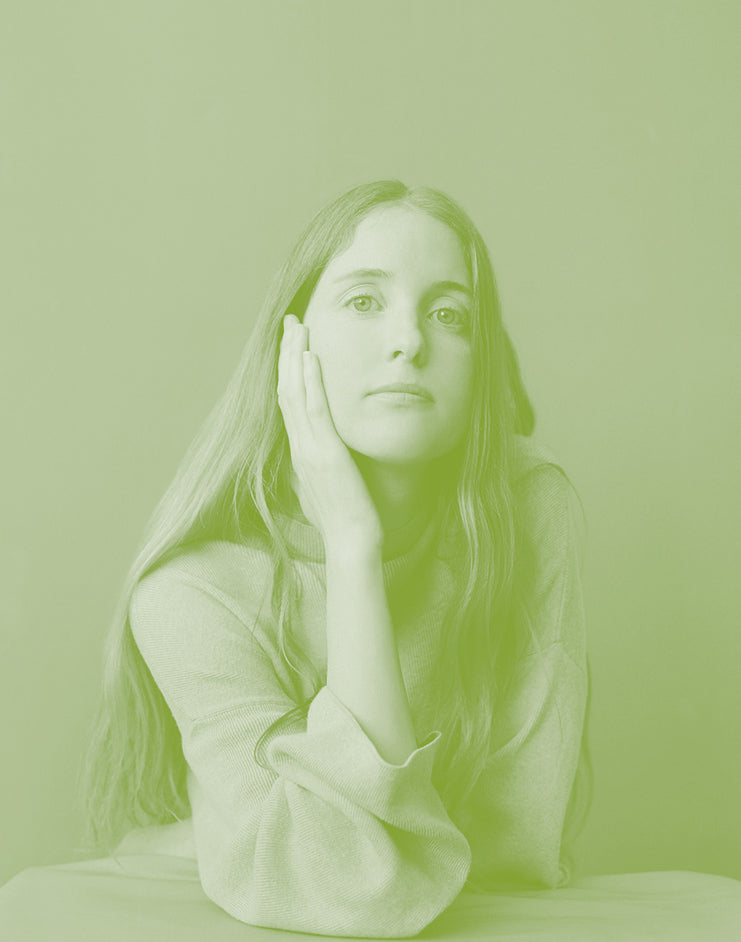
Leticia Sala
Writer
Leticia Sala (Barcelona, 1989) is the author of Scrolling after Sex, In Real Life, and Los cisnes de Macy's. She writes lyrics for musicians, collaborates with media outlets, and publishes the weekly newsletter Magical Thinking. Her new book, Dame verí que vull viure (Quaderns Anagrama), will be released on May 13.
@leti.sala
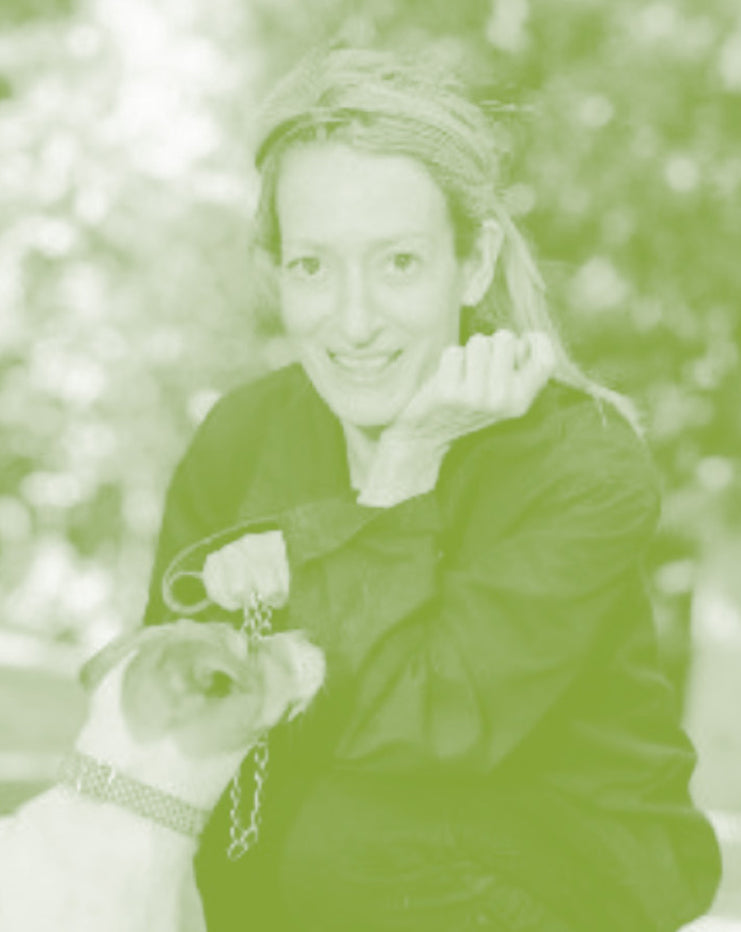
Milena Busquets
Writer
Milena Busquets (Barcelona, 1972) studied at the Lycée Français and graduated in archaeology from University College London. She has published the novels "Today I Met Someone," "This Too Shall Pass," an overwhelming critical and commercial success translated into over thirty countries, and "Gema," as well as the collection of journalistic texts "Elegant Men," the diary "The Right Words," the snapshots compiled in "General Rehearsal," and her most recent work "The Sweet Existence." On June 4, she will publish her new book "Elegant Women."
milenabusquets.com
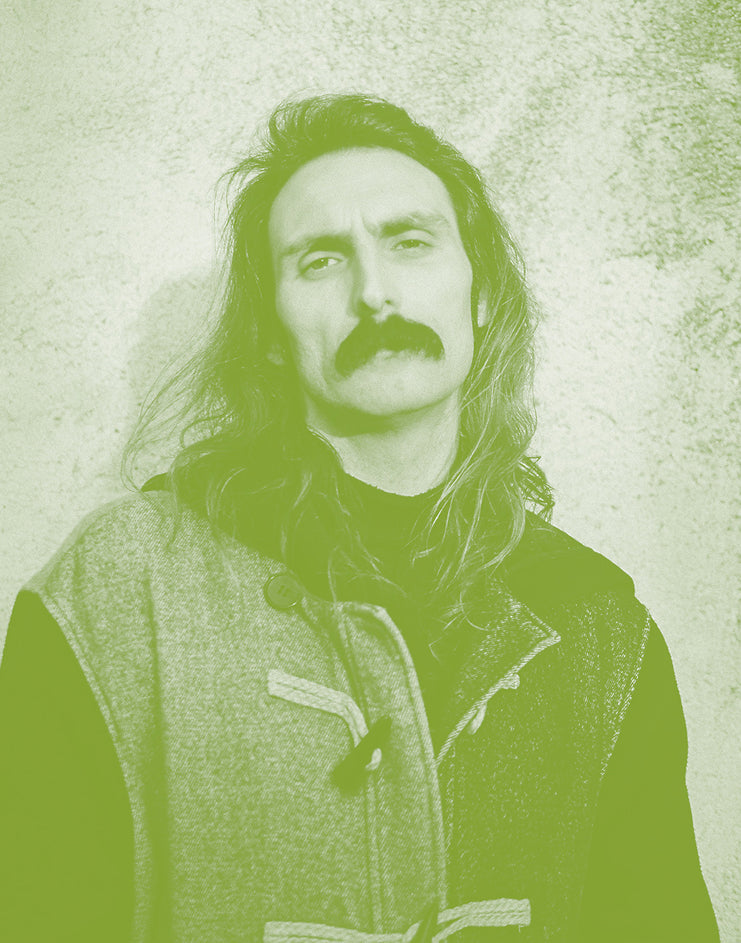
Gabriel Ventura
Writer and poet
Gabriel Ventura (1988). Among his latest works are the essay 'El millor dels mons impossibles' (Anagrama, 2025), 'La nit portuguesa' (2021, a chronicle of the filming of Albert Serra's 'Liberté'), 'Apunts per a un incendi dels ulls' (2020, a book of poems which is to be (2017). His poems have been translated into English, French, Greek, Dutch, Turkish, and Portuguese. He is a professor at BAU (Barcelona) and director of the POESIA i+ festival.
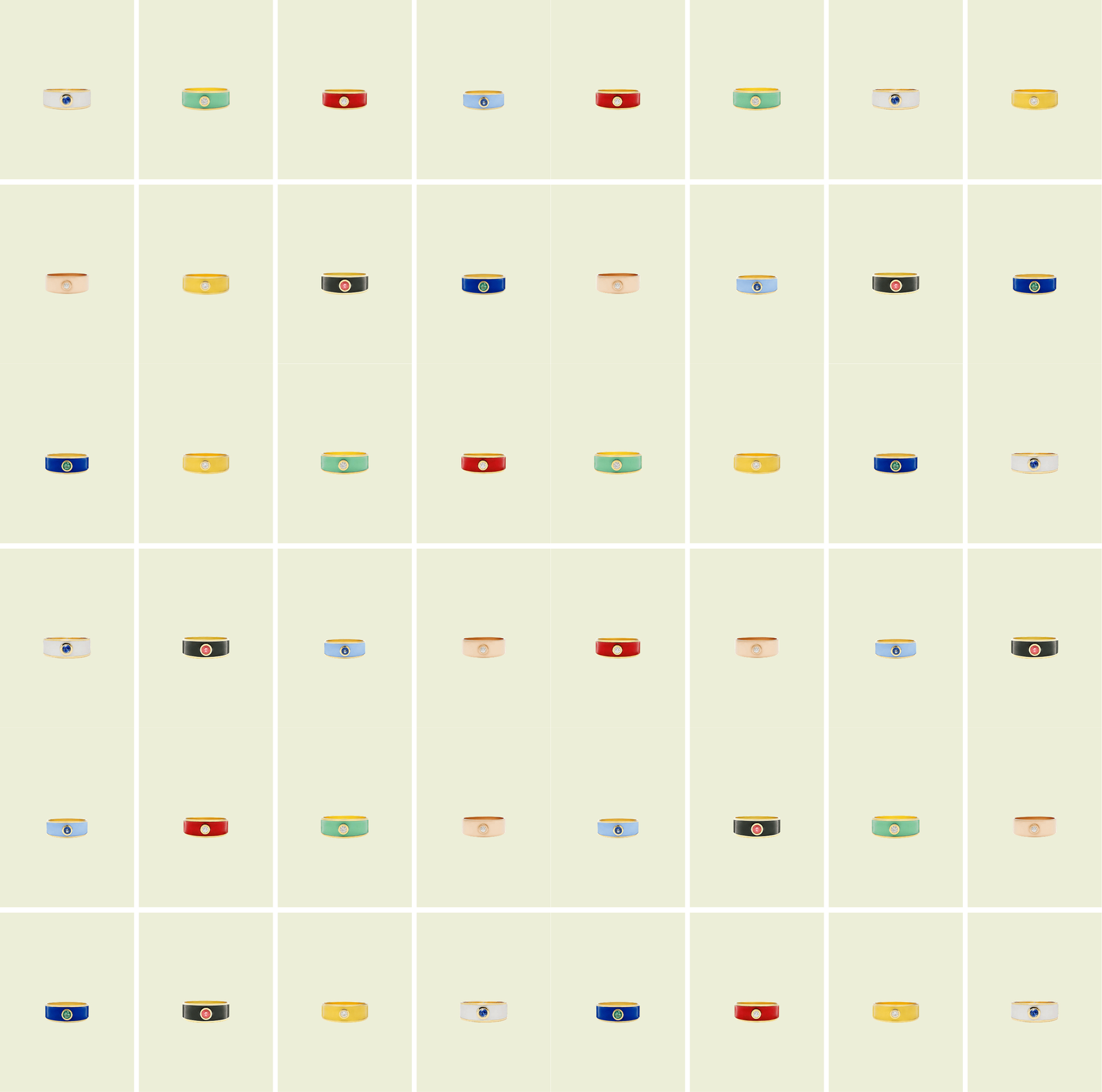
THE PRIZE
LITERARY CONTEST

Stay tuned, as we will soon announce new editions of the contest.